 Français

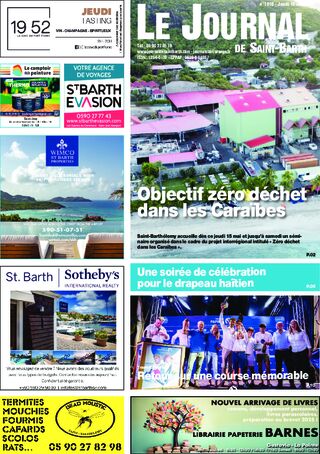
On May 18, 1803, the Haitian flag was created. It took seventeen years before it was adopted (1820), and a further twenty-three years before it became the country's official banner, in 1843. This Saturday, May 17, starting at 6 p.m., the Tèt Ansanm association is organizing for the third time an event to celebrate the flag. The event will take place on the Quai du Général de Gaulle, opposite the harbourmaster's office, in Gustavia harbour.
For this third edition, the association has concocted a program that is primarily festive. This does not, of course, detract from the memorial aspect of the event. In fact, invitations have been sent to the elected representatives of Saint-Barthélemy and Saint-Martin who would like to take part. Nevertheless, rather than lengthy speeches, Tèt Ansanm intends to celebrate Haiti's flag with song and dance.
On the stage set up on the quay, dances will be performed by members of the association. Singer Ti Lina will be responsible for singing the Haitian national anthem, the Dessalinienne. As last year, percussionist and music teacher Julien Séguret will bring his musical touch to the event, as will DJ Franklin, who was already present in Saint-Barth in 2024. But the highlight of the evening will come from Martinique.
Talented saxophonist Marius Modeste (“and friends”) will be the star of the evening. A committed artist, he uses his music to raise awareness and inspire his audience, tackling varied and often profound themes. “His compositions reflect his love of Martinique and its culture, while incorporating global influences that enrich his style,” states an article devoted to him by Bel'Radio. It goes without saying that Marius Modeste is steeped in the many musical currents of the Caribbean, including Kompa, to which he will undoubtedly make a place on the occasion of the celebration of the Haitian flag.
The Haitian flag festival is also an opportunity to delve into the history of the Pearl of the Caribbean. The island was invaded by the Spanish in the 16th century, who named it Hispaniola (Ayiti, Quisqueya and Bohio was the name given to it by the Amerindians). The invaders massacred or enslaved the Amerindian populations before deporting men from Africa for forced labor. Then France, through its buccaneers, took possession of the western part of the island. Tobacco and sugar cane were at the heart of the slave-owning colonists' exploitations. By 1790, Saint-Domingue was the richest French colony. Then came the revolt and revolution led by Toussaint Louverture and Jean-Jacques Dessalines. After many battles, the country's declaration of independence was proclaimed on January 1, 1804. This document was accompanied by a French royal decree requiring the payment of an indemnity to compensate the colonists for their losses. The infamous debt was to considerably hinder Haiti's development.
There's a lack of understanding of this history,” laments Jean-Denis Zamor, president of the Tèt Ansanm association. Men and women were enslaved, deprived of everything. Yet every people has the right to aspire to freedom. And Haiti fought for its independence. People often look down on Haitians. It's a small country, but a great people. Without pretension, the aim of our approach is to promote living together. One day, Haiti will regain its place in history and in the world.