 Français

Four days of film and documentary screenings showcasing the cultural diversity and richness of the wider Caribbean region. This is the program offered by the organizers of the Saint-Barth Film Festival, which will celebrate its 29th edition from April 29 to May 2. With a clear focus: to highlight the documentary genre in order to transport viewers to the heart of the Caribbean, wherever they may be. Starting with Saint Barthélemy.
Tradition St. Bat’ to Open the Festival
Indeed, to open the festival on April 29 at 8 p.m. on the Ajoe plateau, the organizers will screen a series of short films directed by local artists. The project, conceived by the culture commission and funded by the Territorial Collectivity, aims to shine a spotlight on traditional aspects of the island.

Thus, through their “Dialogue with Saint-Barth,” Emilie Berry and Drôle de trame will present five “shorts” ranging from 9 to 11 minutes in length on straw weaving, the Christmas truck, Christmas pudding, All Saints’ Day, and Saint-Barth homes. As for Alysée Montana Eloi and Johan Androit (aka KWT), they explored fishing in a 12-minute segment titled “Lanmé an nou.” Finally, our excellent colleague and contributor Albane Harmange directed two other “shorts” titled “Les galettes” and “A nos gongonnes.” Both are 15 minutes long.

From Trinidad to Buenos Aires
On Thursday, April 30, at the Théâtre du Paradis in Gustavia, Christopher Laird’s feature-length documentary (1h18min, 2013) titled “No bois no fraid” will be screened at 10 a.m. The director will be in attendance. The film is dedicated to kalinda stick fighting in Trinidad and Tobago. It features Keegan Taylor and Rondel Benjamin, two young martial arts experts who set out to discover their roots by learning the local martial art of stick fighting.
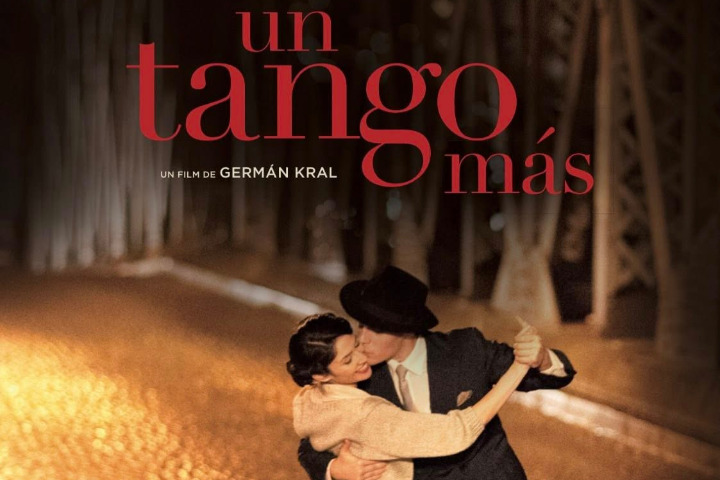
At 8 p.m., at the Ajoe venue in Lorient, Argentine director German Kral will present “Un tango más, our last tango” (1 hr 25 min, 2015). A documentary that traces the love story between the two most famous dancers in the history of tango, Maria Nieves Rego and Juan Carlos Copes. It is also the story of their immense love for this dance.
A Mermaid and a Coup d’État
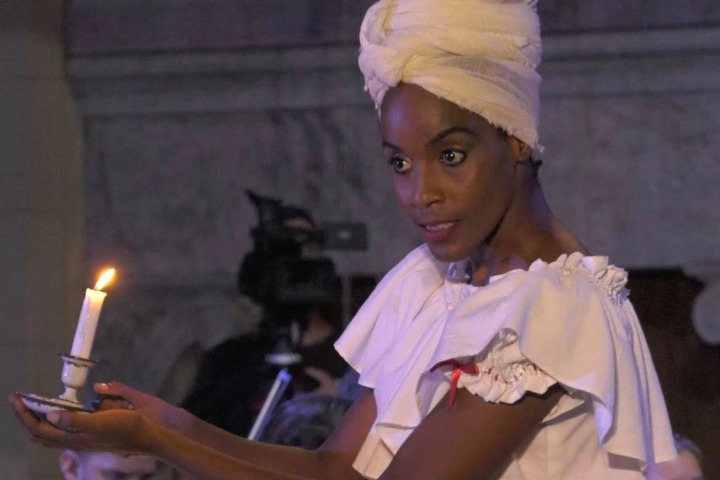
On Friday, May 1, the day will begin at 10 a.m. at the Théâtre du Paradis with a screening of “The Siren and the Knight” (2019–2026, 52 min), in the presence of director Steve James and singer Charlotta Huldt. From Stockholm to New York, from Guadeloupe to Cuba, from opera to Gwo Ka, this documentary is a cultural adventure that explores music as well as a social injustice that has endured over time.
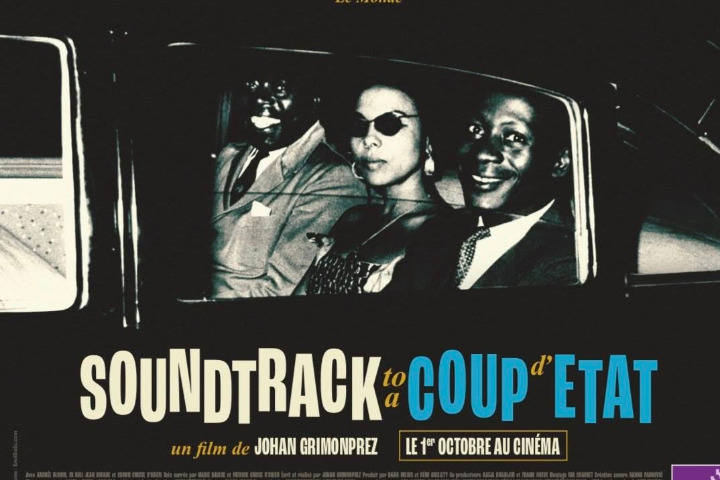
At 8 p.m. at the Ajoe, Johan Grimonprez will present “Soundtrack to a Coup d’État” (2024, 2 hours 30 minutes). “Jazz, politics, and decolonization intertwine in this historical roller coaster that rewrites an incredible episode of the Cold War,” write the festival programmers.
Short Films and Cuban Cuisine
On Saturday, May 2, the festival’s closing day will begin at 10 a.m. at the Théâtre du Paradis with a tribute to director Christopher Laird. Four films from the Banyan Film archives, made between 1983 and 2023: “Partir” (22 min, Trinidad and Tobago), “Concert in the Rainforest” (2002, 25 min, Trinidad and Tobago), “The Death of the Swan” (2016, 10 min, Trinidad and Tobago), and “The Banyan Collection, The Power of Video” (2015, 6 min, Trinidad and Tobago).
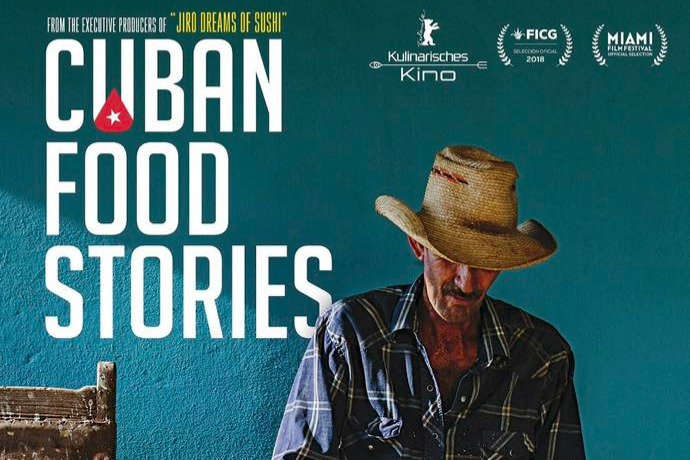
In the evening, at 8 p.m. at the Ajoe, Cuban director Asori Soto will invite viewers to discover his “Cuban Food Stories” (2018, 1h 22min). The film explores Cuban gastronomy, society, and culture. Through nine stories, Asori Soto explores his country’s current culinary landscape and offers a glimpse into its future. It is a personal road trip across the island, uncovering the most authentic stories of Cuban cuisine.
Founded in 1996, the Saint-Barth Film Festival “Cinéma Caraïbes” is organized by Ellen Lampert-Gréaux, Joshua Harrison, Rosemond Gréaux, Bénédicte Maudet, Bernard Grogan, Pascale Dillard, and Rachel Kaufman.